Combined Sea Freight from Ningbo to Karachi, followed by overland bonded trucks through Torkham into Central Asia, cutting turnaround time by 14 days versus purely rail routes.
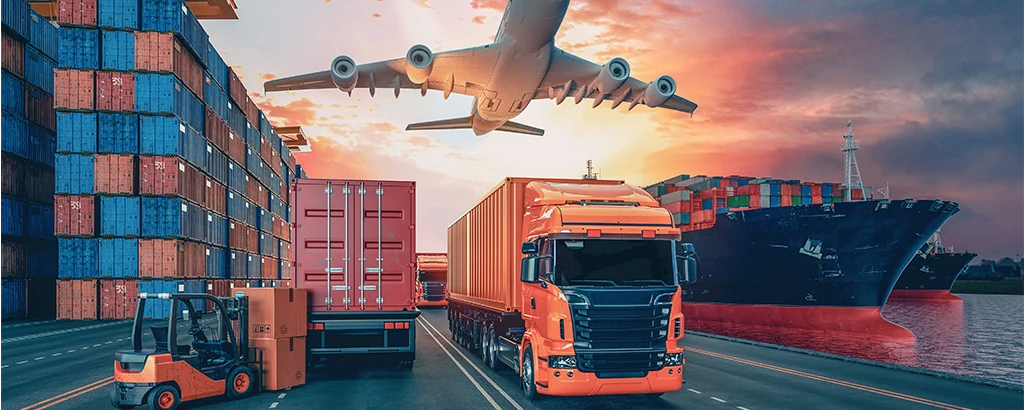
Multi-Modal Transport
Air, sea and road moves combined into one managed delivery plan.
Faster TransitOptimized Route Scheduling
Zero DelaysMinimized Transshipment Idle Time
1 ContractSingle Bill of Lading (FBL)
Cost SavingsConsolidated Transport Overhead
Operational Shift
Traditional vs. Multimodal Logistics
Why global supply chain leaders are transitioning from piecemeal carrier bookings to integrated single-operator solutions.
Traditional Segmented Shipping
- Fragmented Accountability: Multiple carriers, freight forwarders, and truckers passing responsibility during delays.
- Multiple Documentation: Separate Ocean Bills of Lading, Truck Consignment Notes, and Transit Customs Filings.
- Siloed Tracking: Blind spots at port terminals, rail ramps, and cross-border customs checkpoints.
- Accumulated Demurrage: Bottlenecks between transport leg handovers leading to high storage fees.
Recommended
Target Logistics Multimodal Integration
- One Single Partner: Target Logistics assumes end-to-end operational control and total door-to-door liability.
- Single Bill of Lading: One negotiable FIATA Multimodal Transport Document (FBL) covering the complete journey.
- Control Tower Visibility: Unified tracking dashboard monitoring every milestone across sea, rail, air, and road.
- Synchronized Transfers: Pre-arranged equipment, bonded trucks, and priority rail loading eliminate idle downtime.
Process Architecture
The Multimodal Supply Chain Journey
How your cargo transitions seamlessly across multiple modes with zero administrative friction.
01
Origin Collection
Factory pickup and bonded Road Freight movement to primary port or airport terminal.
Stage 1: Origin Handling02
Primary Linehaul
Main leg ocean voyage via Sea Freight or express air corridor under single FIATA FBL document.
Stage 2: Main Transit03
Hub Intermodal Transfer
Rapid transshipment from vessel to rail wagon or bonded trucks handled by our port coordination team.
Stage 3: Border/Hub Transfer04
Warehouse & Final Mile
Cross-docking at our Contract Warehouses followed by final door delivery to client sites.
Stage 4: Destination DeliveryCore Service Synergy
Integrated Transport Combinations
Connecting specialist logistics services into unified, multi-geography routing.
+
Sea + Road/Rail
Combines global liner ocean shipping with bonded road haulage for seamless transit from maritime ports to landlocked dry ports and border checkpoints.
+
Air + Sea
Express air cargo linked directly to FCL, LCL and port-connected shipping through Pakistan's sea gateways for pharmaceuticals, electronics, and high-value cargo.
/ +
Air/Sea + Transit Trade
Specialized land-bridge operations routing international cargo via Pakistani ports into landlocked Afghanistan and Central Asian Republics (CIS).
Industry Solutions
Tailored Multimodal Frameworks
Serving sectors requiring complex multi-leg logistics and strict delivery schedules.
Manufacturing
Raw materials to finished goods
Automotive
CKD kits and spare parts distribution
Pharmaceuticals
Cold chain air-sea-road bridging
Energy & Power
Heavy equipment site deliveries
Every Mode. One Strategy.
Let's design the right integrated logistics solution for your international supply chain.
MULTIMODAL CONSULTATION
Let’s Design Your Integrated Supply Chain
Speak with our multimodal specialists to evaluate routing, bottlenecks, cost drivers and the optimal combination of transport modes.
- Single Point of Contact & End-to-End Coordination
- FIATA Multimodal Documentation Support
- Custom Route Design Balancing Speed & Budget
- 24/7 Control Tower Visibility
MULTIMODAL CONTROL DESK
(021) 38291000
info@targetlogistics.com.pk
Integrated air, sea, road and rail route planning.
Frequently Asked Questions
What are the primary commercial advantages of utilizing multi modal transport for global logistics?
Multi modal transport optimizes complex international supply chains by seamlessly combining at least two distinct modes of transport under a single contract. Target Logistics International (Pvt.) Ltd. operates as a specialized Multimodal Transport Operator (MTO), integrating sea, air, rail, and road systems to create high efficiency routing blueprints. By eliminating the friction of individual carrier handoffs, TLI’s multi modal architecture significantly accelerates transit timelines, reduces freight handling costs, and lowers container handling risks, providing commercial trading enterprises with an adaptable, highly optimized, and predictable global distribution solution.
How does a single multi modal bill of lading protect shippers across multiple transit modes?
In standard segment freighting, managing loss or damage liability across varying truck, rail, and ocean operators creates substantial commercial risk for cargo owners. Target Logistics International (Pvt.) Ltd. resolves this vulnerability by issuing a single, comprehensive Multimodal Bill of Lading that covers the entire journey from point of origin to final destination. Operating under international carrier guidelines, TLI assumes single point legal liability for the cargo across all transit legs. This unified legal framework simplifies claims, protects operational continuity, and secures your supply chain under one accountable freight partner.
What are the security benefits of using an electronic Negotiable FIATA Multimodal Transport Bill of Lading (eFBL)?
The modernization of trade document exchange requires secure, tamper proof alternatives to traditional paper documents to prevent costly processing delays and administrative errors. Target Logistics International (Pvt.) Ltd. offers complete processing for the electronic Negotiable FIATA Multimodal Transport Bill of Lading (eFBL). This digital documentation standard provides end to end transparency, eliminates courier expenses, and prevents documentation fraud through encrypted verification links. By speeding up bank title transfers and simplifying customs checks at global sea land ports, TLI's digital documentation systems significantly improve supply chain efficiency for large industrial enterprises.
When should a global trading business choose a Sea Air multi modal transport strategy?
A Sea Air multi modal strategy offers an ideal balance when pure ocean freight is too slow for market demands and direct air freight is too costly for the budget. Target Logistics International (Pvt.) Ltd. designs efficient Sea Air transport pathways that combine the low cost of ocean transport with the high speed of flight networks. TLI shifts inbound sea containers to primary airport freight terminals quickly, keeping transit costs significantly lower than standard air cargo setups while cutting delivery timelines by half compared to ocean transport. This serves as an excellent option for time sensitive commercial inventories.
How does TLI integrate rail and road networks to move high volume industrial shipments inland?
Moving large industrial bulk and heavy commodities long distances overland requires heavy duty transport infrastructure that can scale effectively while keeping costs low. Target Logistics International (Pvt.) Ltd. coordinates dedicated rail road intermodal logistics networks that link primary marine port terminals to major industrial dry ports inland. TLI utilizes high capacity rail line logistics for long haul routes, shifting to customs bonded container trucks for final delivery to the buyer's warehouse door. This balanced approach provides reliable freight capacity, minimizes fuel usage, and controls overland transportation budgets for heavy volume manufacturers.
What role do Inland Container Depots (ICDs) play in TLI's multi modal logistics network?
Inland Container Depots (ICDs) and Container Freight Stations (CFS) are essential processing hubs for organizing multi modal trade flows away from congested maritime ports. Target Logistics International (Pvt.) Ltd. uses a strategic network of inland dry ports to manage container storage, handle customs examinations, and organize regional cargo shipments. By conducting full export clearance and secure container stuffing directly at inland hubs, TLI moves sealed boxes smoothly to port terminals for immediate vessel loading. This method prevents port storage delays and simplifies localized distribution management for regional exporters.
How does TLI manage cross docking during terminal interchanges to prevent cargo damage?
Transferring freight between different transport systems during an intermodal trip requires strict oversight to avoid product damage and costly delivery delays. Target Logistics International (Pvt.) Ltd. deploys experienced cross docking operations teams at major regional transit gateways and port facilities. Our crews shift loose palletized freight and industrial goods directly from arriving regional trucks into sealed containers with minimal storage time. This swift, direct cargo transfer reduces handling risks, improves delivery speed, and guarantees items stay safe and securely organized as they transition through the multi modal network.
How does TLI maintain customs bonded security for multi modal cargo moving to inland destinations?
Moving international trade cargo across varied domestic networks requires deep expertise in customs compliance to avoid cargo holds and regulatory penalties. Target Logistics International (Pvt.) Ltd. handles all necessary customs bonded filings and corporate insurance guarantees required for long haul inland freight moves. TLI’s customs brokerage teams manage complex cargo entry records at arrival terminals, allowing sealed multi modal containers to travel smoothly through regional borders to inland drop off locations. This continuous compliance monitoring prevents customs clearance holds, avoiding costly container demurrage fees at arrival ports.
What type of insurance protection covers cargo when it moves across multiple transport modes?
Standard transport policies often leave gaps in coverage during transit mode changes, creating financial risk for standard commercial cargo moves. Target Logistics International (Pvt.) Ltd. addresses this by protecting all multi modal operations with comprehensive carrier liability insurance and robust cargo indemnity coverage. TLI’s liability insurance provides solid protection during road transport, rail travel, port transshipment, and ocean legs. This complete financial protection safeguards commercial cargo owners from losses due to weather disruptions or terminal accidents, providing solid peace of mind throughout the multi modal journey.
How does TLI preserve cold chain reliability during multi modal transport changes?
Preserving cold chain stability during transitions between truck transport, port terminals, and container vessels requires strict monitoring and reliable backup power systems. Target Logistics International (Pvt.) Ltd. runs specialized multi modal cold chain systems built for temperature sensitive products, fresh food, and medical shipments. TLI deploys high grade refrigerated containers (reefers) equipped with portable diesel generators (gensets) for continuous power along land corridors. Our port teams prioritize terminal power plug ins, ensuring the cold chain remains perfectly unbroken from production facility to final customer delivery point.
Can TLI execute out of gauge (OOG) project transport using complex multi modal routes?
Yes. Target Logistics International (Pvt.) Ltd. maintains an experienced project logistics division equipped to transport heavy industrial machinery and out of gauge (OOG) components via multi modal routes. TLI coordinates complex movements that blend ocean vessel shipping, specialized heavy rail transport, and hydraulic multi axle road trailers. Our project planners manage technical route clearance surveys, secure specialized transit permits, and supervise crane operations at interchange hubs. This hands on management ensures heavy infrastructure components are safely moved and placed at your final industrial project site.
How does TLI track container shipments as they transition across different transport modes?
Maintaining clear visibility over your cargo during transitions between trucks, rail systems, and ocean vessels is essential for modern warehouse management. Target Logistics International (Pvt.) Ltd. integrates electronic tracking links and milestones across all multi modal freight routes. TLI’s centralized control center monitors status updates across all sea legs, rail journeys, and road segments. This reliable visibility allows corporate logistics teams to track inventory positions in real time, forecast precise arrival timelines, and optimize supply chain operations with complete confidence.
How does TLI adjust multi modal transport routes during unexpected port congestion or rail delays?
Unexpected port bottlenecks, rail delays, or weather challenges can suddenly stall standard, single mode logistics shipments. Target Logistics International (Pvt.) Ltd. builds resilience into your supply chain by maintaining flexible, alternative multi modal routing plans. When primary ocean or rail corridors experience congestion, TLI's control center quickly shifts cargo onto alternative road transport links or expedited sea air pathways. Our active cooperation with international network partners allows us to reroute shipments smoothly, bypassing local bottlenecks and ensuring your commercial cargo continues moving toward its destination on schedule.